01Machu Picchu
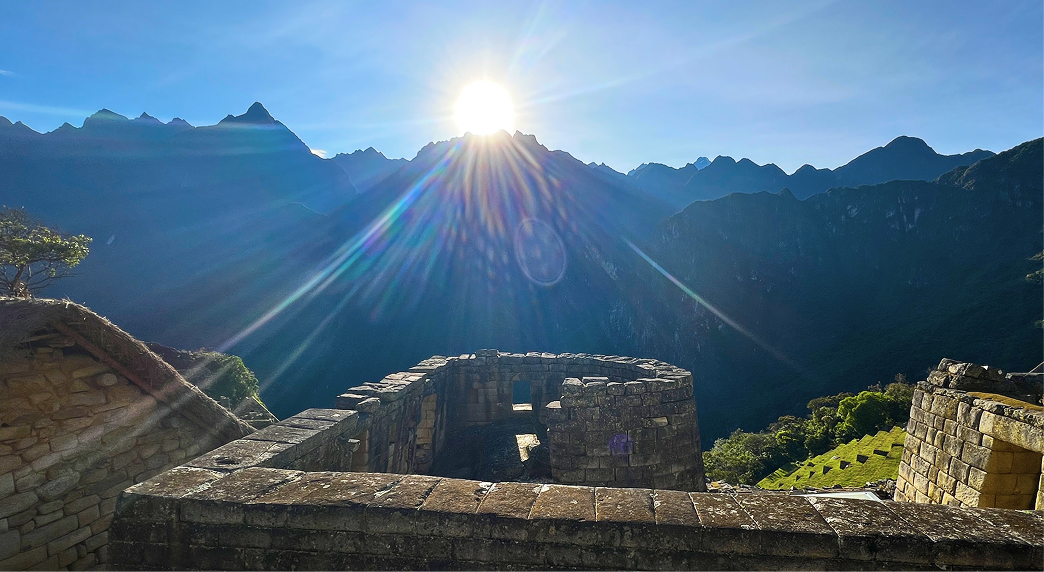
Torreón / June Solstice
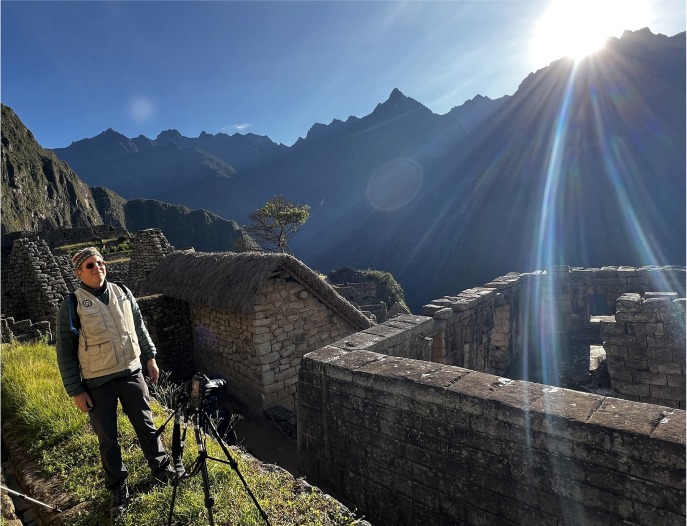
At Machu Picchu, Peter’s research has focused on the Torreón, an important structure whose carefully positioned window is associated with the June solstice sunrise.
Through Proyecto Yinty, the site has become a central focus for documentation, scanning, and continued investigation of the relationship between architecture and solar movement.
02Pisac
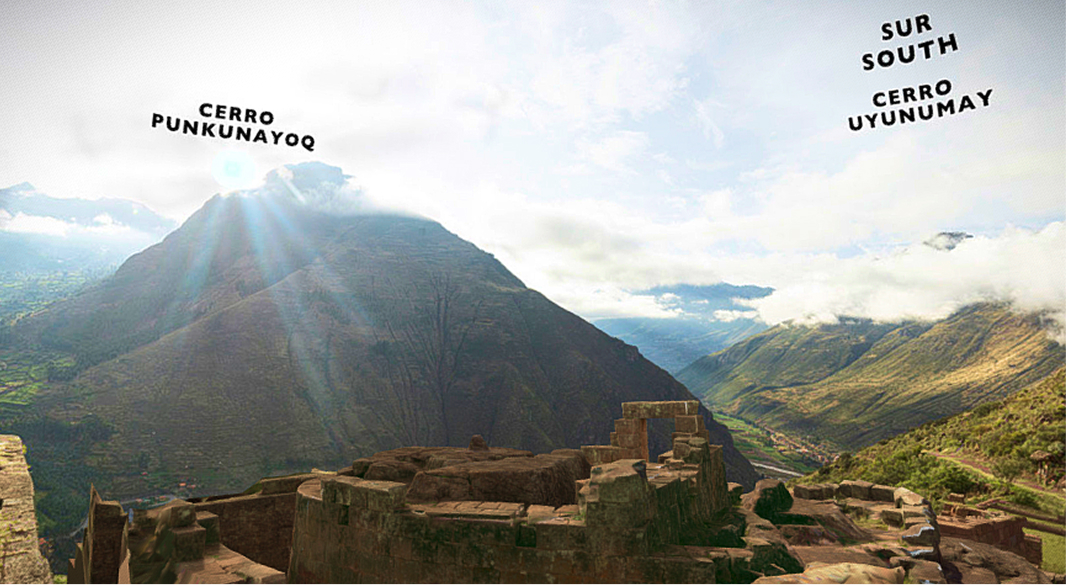
Intihuatana / December Solstice
At the Pisac archaeological complex in Peru’s Sacred Valley, Peter and his research collaborators have studied the Intihuatana and surrounding architecture, including potential relationships between built features, the horizon, and the December solstice sunrise.
Field observation has been accompanied by 3D scanning intended to create a detailed record of the site for continued architectural and astronomical analysis.
03Chankillo
Solar Observatory / Ancient Peru
Nearly 2,300 years old, Chankillo is one of the clearest known examples of ancient solar observation in the Americas. Its distinctive series of thirteen towers created a horizon calendar that allowed observers to track the changing position of sunrise and sunset throughout the year.
Peter visited Chankillo as part of his broader investigation into the ways ancient civilizations transformed astronomical observation into architecture.
04Caral
Ancient Urban Center / Supe Valley
Caral, approximately 5,000 years old, is among the oldest known urban centers in the Americas, considered one of the five breakout cities of civilization in the world's history.
Its monumental architecture offers another perspective on the sophisticated societies that developed in Peru long before the Inca. Peter’s visit formed part of his effort to understand the longer architectural and cultural context from which later traditions emerged.